Every Space Has an Effect on You- The Hidden Power
A Small Exercise Before We Begin
Before you continue reading, take a moment and look around the space you're sitting in.
Notice the surface beneath your feet. Is it smooth, rough, warm, cool, polished, or natural? Look at the nearest wall. The fabric on your chair. The grain of the wooden table beside you. The curtains filtering the light.
Now ask yourself a simple question: How does this space make you feel?
Comfortable? Calm? Energized? Productive? Cozy? Restless?
Most of us rarely pay attention to texture, yet it quietly shapes our experience of a space every single day. By the time you finish reading this article, you may find yourself noticing it everywhere.
Have you ever walked into a space and instantly felt at ease, without quite knowing why? Or stepped into a room that looked beautiful but somehow felt cold and impersonal?
Our response to a space begins long before we consciously evaluate it. Beyond furniture, colours, and architectural features lies a quieter design element that shapes how we experience our surroundings every day—texture.

Texture is one of the most powerful yet often overlooked tools in design. It influences how a space feels, how light interacts with surfaces, and how connected we feel to the environment around us. It is often the difference between a room that simply looks beautiful and one that truly feels beautiful.

While texture is commonly associated with touch, we experience it visually first. A rough stone wall, natural timber grain, handcrafted plaster, woven cane, soft linen, or polished marble each evoke a different feeling. Even without touching them, we instinctively respond to their character.

Imagine a room made entirely of smooth white walls, glossy flooring, and polished furniture. It may feel clean and sophisticated, but it can also feel sterile. Introduce timber, textured fabrics, stone surfaces, and handcrafted finishes, and suddenly the space feels warmer, softer, and more welcoming. The layout hasn't changed—only the materials have.
This is the power of texture.
Texture brings depth and dimension to a space. It allows light and shadow to create visual movement throughout the day, revealing details that make interiors feel dynamic and alive. It also contributes to comfort. A soft rug underfoot, linen curtains filtering sunlight, or a textured wall catching the afternoon light all quietly shape how we experience a room.

The most memorable homes are rarely filled with the most objects. Instead, they rely on thoughtfully layered materials that create warmth, balance, and authenticity. Natural finishes such as wood, stone, clay, linen, and cane bring a sense of familiarity and connection to nature, while their imperfections add character and timelessness.
At Studio Tilt, texture is considered from the earliest stages of the design process. It is not something added at the end through styling. It is embedded into the architecture itself—through materials, finishes, details, and the way natural light interacts with surfaces.
In many of the spaces we design, colour takes a step back and texture takes the lead. A neutral palette can feel incredibly rich when layered with stone, timber, plaster, textiles, and natural fibres. Here, texture becomes the design language itself.

Whether it is a textured wall that catches the afternoon sun, handcrafted furniture that develops character over time, natural stone flooring that grounds a space, or fabrics that soften and enrich an interior, every material contributes to the overall experience of the home.
Because ultimately, great design is not just about what we see. It is about what we feel.
And often, those feelings are shaped by details so subtle that we hardly notice them at all.
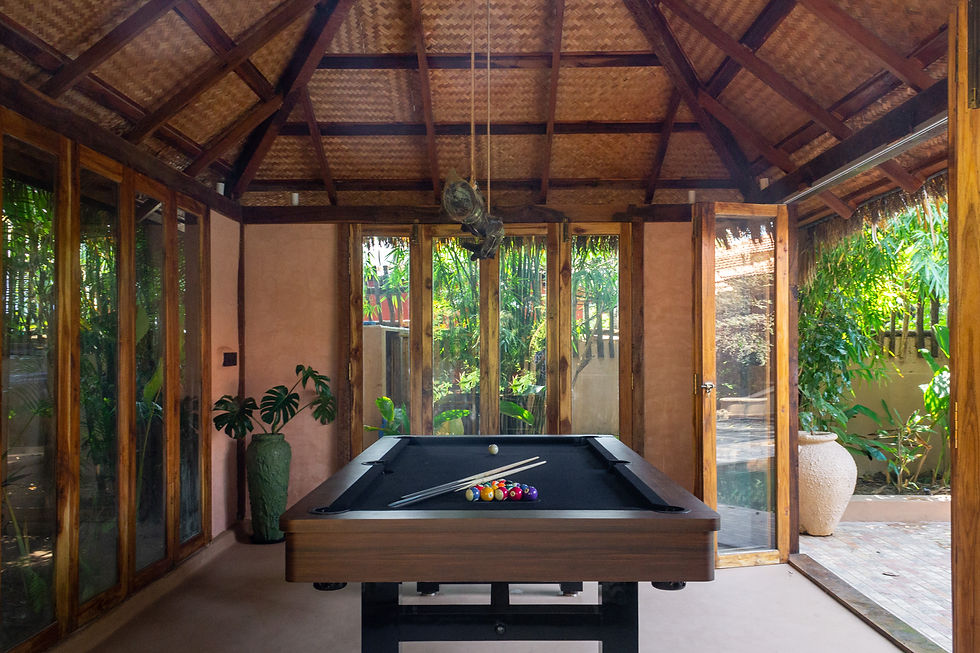
Before you move on, take another look around the room you're in. Are you noticing textures you hadn't paid attention to before? The warmth of timber, the softness of fabric, the coolness of stone, the way light falls across a wall? These details may seem small, but they are constantly shaping your experience of a space.
What was the first texture you noticed around you while reading this article, and how did it make you feel? Share your thoughts in the comments below . We'd love to hear from you!


Comments